
Case study
Case Study: Rescuing LCT 7074 — A D-Day Veteran Returns
Between 2014 and 2021, as Project Director for The National Museum of the Royal Navy, I led the rescue, restoration, and display of LCT 7074 - the last surviving D-Day Landing Craft (Tank). Once sunken and forgotten, this wartime veteran was brought back to life through a complex, multi-year project involving national funding, marine engineering, and heritage collaboration. Today, LCT 7074 stands proudly on Southsea seafront as a restored symbol of Operation Neptune and the liberation of Europe.
Published on
7th October 2025
Read time
3 mins
Between 2014 and 2021, as Head of Collections and Research for The National Museum of the Royal Navy, I had the honour of leading one of the most ambitious maritime heritage projects in the UK: NMRN’s rescue, restoration, and public display of LCT 7074, the last surviving Landing Craft (Tank) from D-Day.
This wasn’t just a ship. It was a tangible connection to Operation Neptune and the liberation of Europe in June 1944. My goal as Project Director was clear: to bring this historic vessel back from the brink, and give it the legacy it deserved.
The Challenge: Saving a Sinking Survivor
When I joined the project, LCT 7074 lay sunken in East Float Dock, Birkenhead—a forgotten relic of history that had once played a critical role in WWII. She had lived many lives after the war, including a brief stint as a nightclub, followed by a failed restoration attempt. The years had taken their toll.
Saving her would require urgent action, significant funding, and the coordination of a large, multidisciplinary team.
Phase One: Recovery and Stabilisation
In 2014, I secured nearly £1 million from the National Heritage Memorial Fund, which enabled the first critical step: salvaging the ship. This phase involved complex logistics, heavy marine engineering, and conservation planning.
By November 2014, LCT 7074 was successfully recovered and transported to Portsmouth Naval Base, where she was stabilised and protected while we prepared for full restoration.
Phase Two: Restoration and Relocation
Over the following years, I led the funding application process that secured over £5 million from the National Lottery Heritage Fund.
Working in close partnership with Portsmouth City Council and colleagues at The National Museum of the Royal Navy, I brought together a multidisciplinary team including:
- Architects
- Exhibition Designers
- Engineers
- Curators
- Project Managers
- Conservation and Heritage Experts
Together, we developed a detailed restoration plan, designed a bespoke protective canopy, and created a powerful public exhibition that would integrate LCT 7074 with the D-Day Story Museum on Southsea seafront.
The Pandemic Challenge
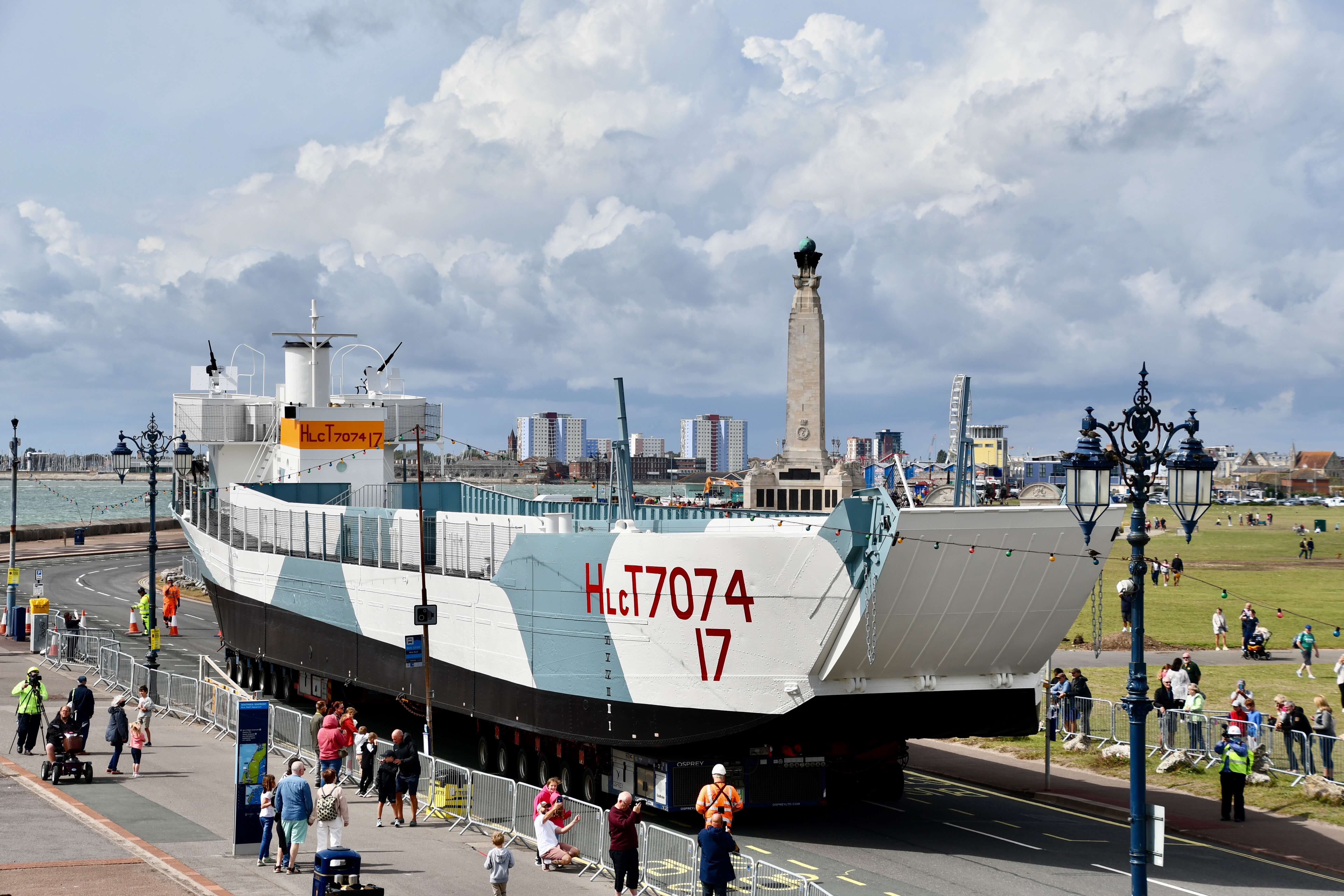
In summer 2020, during the height of the COVID-19 pandemic, we faced one of our greatest logistical hurdles: relocating a fully restored WWII landing craft to its final home.
Despite the restrictions and uncertainty of the time, the move went ahead successfully - a testament to the resilience and commitment of the entire team.
The Result: A National Treasure Restored
In 2021, LCT 7074 opened to the public — fully restored, interpreted, and accessible. She now stands just metres from the shoreline, a powerful and permanent reminder of the men and machines that shaped history on D-Day.
Key Achievements
- Led the full project lifecycle: recovery, restoration, funding, and exhibition
- Secured over £6 million in funding from major national sources
- Managed a large, multi-disciplinary team across public and heritage sectors
- Delivered safely during the global pandemic
- Created a lasting, interactive public legacy on the Southsea seafront
Reflections
This project was one of the most challenging and rewarding of my career. It blended strategic leadership with hands-on heritage preservation and public engagement. Most of all, it brought a piece of vital history back to life and ensured future generations will remember the extraordinary events of D-Day.
Latest news & case studies
4th October 2025
Case Study: D-Day’s Sunken Secrets – Cutting-Edge Television and Underwater Archaeology
1st October 2025